

When did mankind realize our Sun was a star?

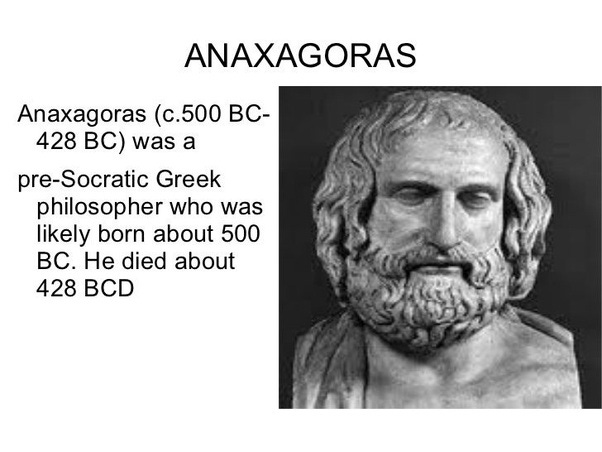
The realization that the Sun is a star dates back farther than you might think. The first person known to propose that the Sun is a nearby star—or that stars are distant suns—was the Greek philosopher Anaxagoras, around 450 BCE. For him, however, this groundbreaking idea came at a personal cost.
Anaxagoras, a prominent Pre-Socratic thinker, was born in Clazomenae, a city in Asia Minor under Persian rule. He later moved to Athens, where his intellectual pursuits earned him widespread recognition. Among his boldest assertions was that the Sun was not a divine entity but a massive, fiery rock. This radical departure from traditional beliefs, which viewed the Sun as the chariot of the god Helios, challenged the very foundations of Greek religion and society.
Anaxagoras’ unorthodox ideas led to accusations of impiety—a serious charge in ancient Athens, where religious beliefs were tightly woven into the fabric of civic life. Facing prosecution, he was forced into exile in Lampsacus, where he spent the remainder of his life.
This tension between emerging scientific ideas and established religious doctrines was not unique to Anaxagoras. Centuries later, figures like Galileo Galilei and Giordano Bruno faced persecution for similarly challenging dominant worldviews with revolutionary astronomical theories.
Despite the personal sacrifices Anaxagoras endured, his naturalistic explanation of the Sun marked a significant shift in humanity's understanding of the cosmos. His ideas laid an intellectual foundation for future developments in astronomy, encouraging the pursuit of scientific inquiry over mythological explanations.